It takes guts to paper yourself all over town. But that’s what hundreds of politicians all over the world do. All the time. And a smart politician knows a great visual can change minds, captivate and move the masses.
Here in Canada, I’m watching what’s going on south of us , and I’m loving all of the campaign posters, the official ones, and the unsanctioned versions. US campaign posters have experienced a cinematic glow up since 1789. Printing methods have come a long way since then, I’m sure George Washington had more looks than just “stern”, but turnover for creating and printing new versions was prohibitive, plus the public hadn’t yet been conditioned to expect a constant stream of new “content”.
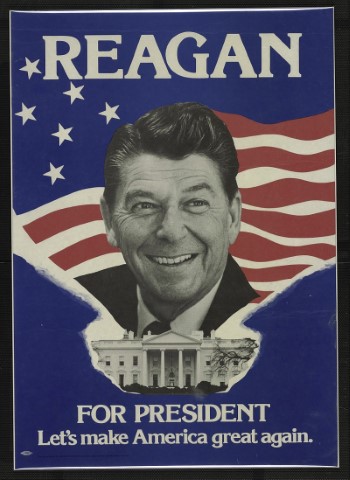
Graphic design’s primary objective is to solve problems. And politicians are problematic by nature. There is no designer who would pass over an opportunity to design an election poster for a nominee willing to take some risks. I have chosen to show the more stylized and artful posters. Many of the Republican posters are corporate and safe, except for 1980 Reagan, and he was a movie star, he knew his best side.
The goal of any movement is to enlist people. Whether it’s a person, or an idea, the most effective visual messaging is bold and minimal, with space for a citizen to imagine themselves into the empty space. The more specific and detailed the image, the more ideas get lost. More details equal more opportunities to make a wrong move.
This approach doesn’t just serve campaigns and political movements. Visual clarity can modernize a stagnant brand, and revitalize the visual presence of just about any service offering I can think of. It may be that if a brand manages to encapsulate their message in a tight, clean and striking visual, they must have their business practices moving in the same elegant and confident way.
Gutsy works, but it takes guts.
These are some examples of propaganda that did the job, some that didn’t, and some that might.
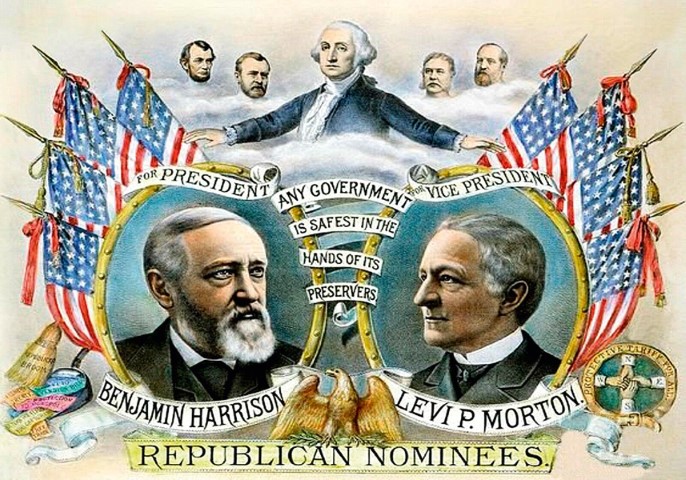
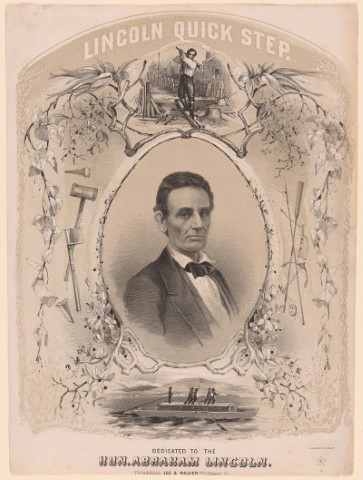
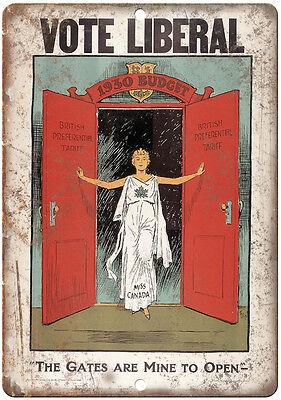
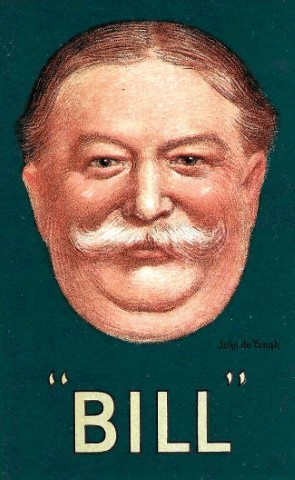
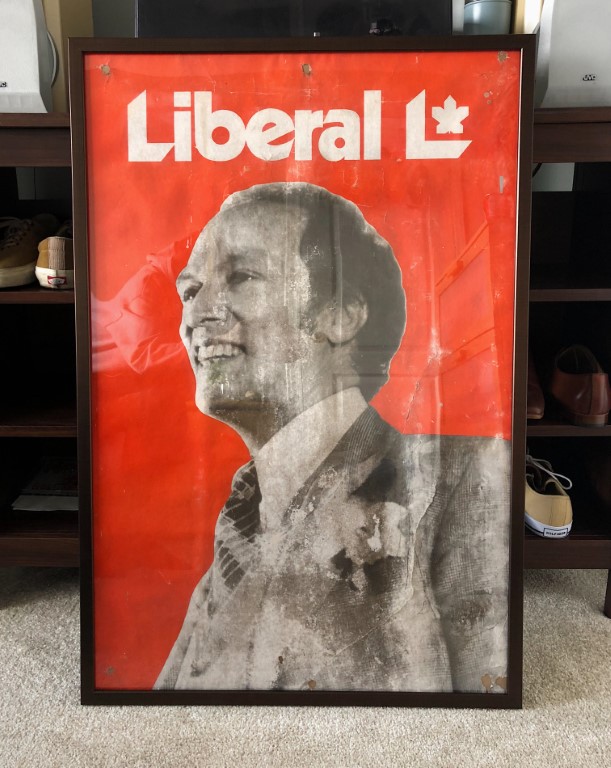
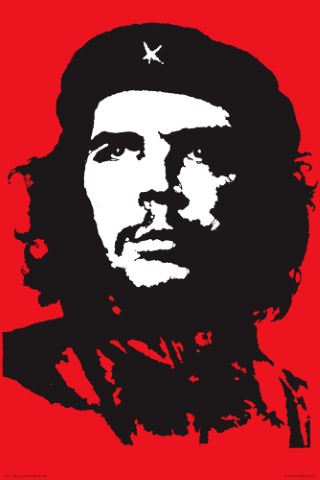
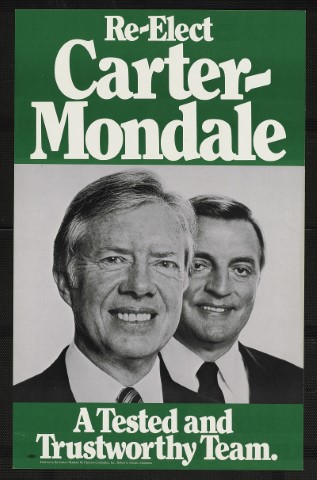
This engraving by Robert Pollard was created in 1782, 7 years before George Washington became the first president. A lithograph by the firm Kurz & Allison. This dreamy, early style stirs up patriotic emotions.Another lithograph, this dedication was created by Henry Whatley in 1860, one year before Lincoln became president.“THE GATES ARE MINE TO OPEN”. Mackenzie King 1930 Election Posters. The work depicts Miss Canada, opening the doors.From 1908, this poster says “hey I’m just a regular, friendly guy named Bill!” By artist Jon de Yongh for Howard William TaftDesigned by J. Howard Miller in 1942. And created to encourage women to join the war effort at home by covering labour normally done by the men who were overseas.Prime Minister Pierre Trudeau, in office 1968-1979, and again from 1980-1984. Looks like the artist took a page out of Kennedy’s style bookThis poster for John Kennedy is from 1960. From the Ralph E Becker Collection of Political AmericanaCreated by an Irishman who specialized in Celtic Illustrations. Jim Fitzpatrick didn’t pursue copyright for this iconic image at the time. But went on to fight for attribution years later. This is from Nixon’s unsuccessful run against John Kennedy in 1960. The yellow is unexpected.This is sourced from the The Ralph E Becker Collection of Political Americana.Another poster from another unsuccessful campaign. This is Jimmy Carter’s effort from 1980. The green is a surprise, and maybe a lesson that shades of red and blue are a better idea. This is from the SmithsonianFrom 1980, Ronald Reagan – the original MAGA. There’s no attribution, probably some exhausted campaign intern trying their best.From 1984, a successful campaign despite these two looking like a couple of realtors. Again, no attribution found.Don’t share real estate with your opponents! He obviously missed out on having that tired and talented intern. This was an unsuccessful campaign from 2004. Being an independent is still a gutsy move.Shepard Fairey started out in the skateboarding scene, and went on to create this iconic image in 2008. Tony Puryear created this halftone banger in 2008, applying the same stylish and artful approach from Obama’s campaignAnother Shepard Fairey treatment.Not a lot of info on this one. I notice that he lifted verbatim Reagan’s slogan from the 80’sAn example of Soviet “personality cult” propaganda. There are so many examples I actually suggest you google it. Now that the red scare is in the rear view mirror, some modern politicians use this style as inspiration.An american poster from WW2,for warning citizens against sharing sensitive information. Can be purchased on Amazon, and makes an excellent gift for your most paranoid friends. No attribution, but credited to the Office of War Information. Another nameless intern, sheesh.